
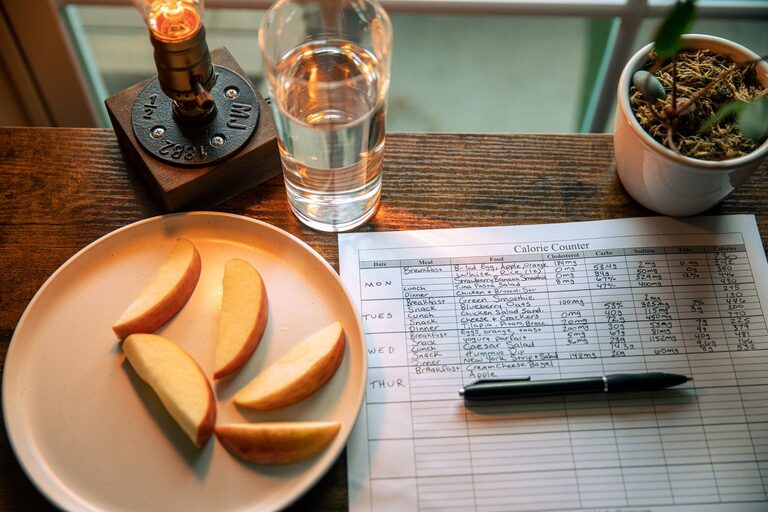
Planning balanced meals doesn’t have to be overwhelming or time-consuming. With a few straightforward strategies and a bit of preparation, you can enjoy nutritious, satisfying meals every day without feeling stressed. Whether you’re cooking for yourself, your family, or friends, these tips will help you build balanced plates that support your well-being.
What Is a Balanced Meal?
Before diving into planning, it helps to understand what makes a meal balanced. A balanced meal typically includes a good mix of:
– Protein: Supports muscle repair and keeps you full longer. Examples include lean meats, beans, tofu, eggs, and dairy.
– Carbohydrates: Your body’s main energy source. Opt for whole grains like brown rice, quinoa, and whole-wheat bread.
– Healthy Fats: Important for brain health and satiety. Sources include olive oil, nuts, seeds, and avocados.
– Vegetables and Fruits: Provide vitamins, minerals, and fiber.
– Hydration: Water or herbal teas complement your meals.
Benefits of Balanced Meals
Eating balanced meals regularly helps maintain steady energy, supports immune function, and promotes overall health. It can also prevent overeating and reduce cravings by keeping blood sugar levels stable.
Step 1: Start With a Meal Plan
Creating a simple meal plan is key to reducing stress around mealtime.
Tips for Effective Meal Planning
– Set aside time once a week to plan your meals. Sunday afternoon or another quiet time works well.
– Choose a few staples like lean proteins and vegetables you enjoy.
– Mix and match ingredients to create variety without needing complex recipes.
– Plan for leftovers to save time and reduce waste.
– Keep pantry basics stocked such as canned beans, whole grains, and frozen vegetables.
Step 2: Build Your Plate With the Right Portions
A helpful visual guide is to fill half your plate with vegetables, one quarter with protein, and one quarter with carbohydrates.
Portion Guidelines
– Vegetables: At least 2 servings per meal
– Protein: About the size of your palm
– Carbs: Around a fist-sized portion
– Fats: A small handful or 1-2 tablespoons of oils or nuts
Step 3: Simplify Your Cooking Routine
You don’t need gourmet skills or complicated recipes to eat well.
Easy Cooking Tips
– Batch cook: Prepare large portions and refrigerate or freeze leftovers.
– One-pan meals: Roast vegetables and protein together for quick cleanup.
– Use a slow cooker or Instant Pot: These appliances save time and effort.
– Employ simple seasonings: Herbs, lemon juice, salt, and pepper go a long way.
Step 4: Plan Snacks and Drinks
Balanced eating also includes mindful snacking.
Healthy Snack Ideas
– Fresh fruit with nut butter
– Yogurt with berries
– Hummus with vegetable sticks
– Nuts and seeds
Stay hydrated with water or herbal teas instead of sugary drinks.
Step 5: Be Flexible and Kind to Yourself
No plan is perfect every day, and that’s okay.
– Adjust plans based on your schedule and cravings.
– Don’t stress over occasional indulgences. Balance is about overall patterns.
– Experiment to find what works best for your tastes and lifestyle.
Sample Balanced Meal Ideas
– Grilled chicken breast, quinoa, and roasted broccoli with a drizzle of olive oil
– Stir-fried tofu with mixed vegetables and brown rice
– Lentil soup with a side salad and whole-wheat bread
– Baked salmon, sweet potato, and steamed green beans
Final Thoughts
Planning balanced meals without stress is achievable with a bit of preparation and a positive mindset. By understanding what makes a meal balanced and using simple planning techniques, you can enjoy nutritious, delicious food every day without feeling overwhelmed. Start small, stay flexible, and celebrate the progress toward healthier eating habits.
About the Author