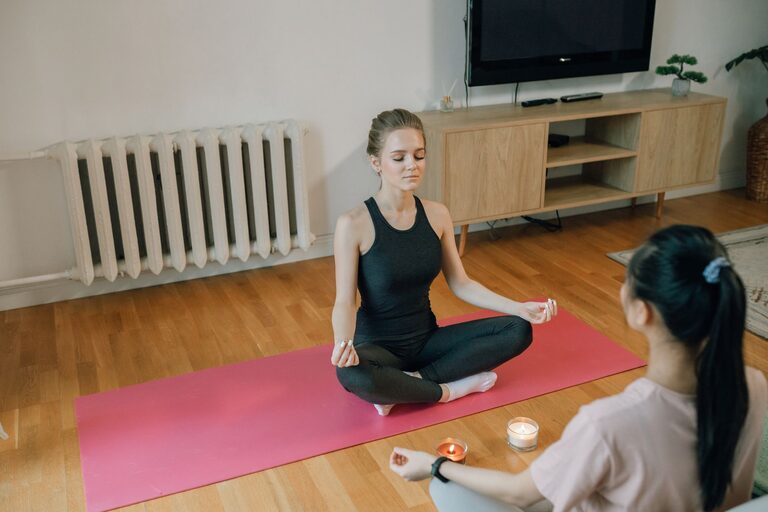

Mindful walking is a simple yet powerful practice that combines the benefits of physical movement with mindfulness meditation. It invites you to slow down, pay attention to your body and surroundings, and cultivate a sense of calm and presence. Whether you’re new to mindfulness or looking for an accessible way to deepen your practice, mindful walking offers an easy entry point. In this beginner guide, we’ll explore what mindful walking is, why it matters, and how to get started.
What Is Mindful Walking?
Mindful walking is a form of meditation that focuses your attention on the experience of walking. Unlike regular walking, where your mind might wander or multitask, mindful walking asks you to stay present with each step. You notice sensations in your feet, legs, and breath, as well as sounds, smells, and sights around you. The goal is not to reach a destination quickly but to be fully engaged in the act of walking.
Benefits of Mindful Walking
Incorporating mindful walking into your routine can enhance both mental and physical health. Some notable benefits include:
– Reduced stress and anxiety: Focusing on the present moment helps calm the nervous system and quiet restless thoughts.
– Improved concentration: Training your attention during walking can boost focus in other areas of life.
– Better body awareness: Mindful walking increases your connection with bodily sensations, helping to improve posture and balance.
– Enhanced mood: Moving mindfully outdoors can lift your spirits and create a sense of peace.
– Physical activity: It encourages gentle exercise, which supports cardiovascular health and overall fitness.
How to Prepare for Mindful Walking
Before you begin, try to find a quiet, safe place where you won’t be disturbed. This could be a park, a quiet street, your backyard, or even a hallway. Wear comfortable shoes and clothes that allow freedom of movement. If you prefer, you can practice barefoot on soft grass or sand to heighten tactile sensations.
Step-by-Step Guide to Mindful Walking for Beginners
1. Start With Intention
Begin by standing still and taking a few deep breaths. Set an intention for your practice, such as relaxation, clarity, or simply being present. This helps focus your mind.
2. Feel Your Feet
Lift one foot slightly and notice the sensations on the sole—warmth, pressure, texture. Place it back down slowly and pay attention to the feeling of contact with the ground.
3. Walk Slowly and Deliberately
Begin walking at a slow pace, roughly half your normal speed. With each step, observe how your foot lifts, moves forward, and touches down. Stay aware of the movement in your ankles, knees, and hips.
4. Coordinate with Your Breath
Try to synchronize your steps with your breathing. For example, take three steps while inhaling and three steps while exhaling. Find a rhythm that feels natural and calming.
5. Use Your Senses
Expand your awareness to include sounds, smells, and sights. Notice birdsong, the rustling of leaves, the scent of flowers, or the feel of a breeze. Try not to judge these sensations—just observe.
6. Gently Return When Distracted
It’s normal for the mind to wander. When you notice your thoughts drifting, gently bring your focus back to your footsteps and breathing without self-criticism.
7. End With Reflection
After 5 to 10 minutes (or longer as you become more comfortable), come to a stop. Stand still and take a moment to notice how you feel physically and mentally. Thank yourself for taking this time.
Tips for Building a Mindful Walking Habit
– Keep it short: Start with just 5 to 10 minutes per day and gradually increase.
– Choose consistent times: Morning or evening walks can fit well into daily routines.
– Use reminders: Set a phone alarm or leave a note to encourage regular practice.
– Practice indoors if needed: When weather or location limits outdoor walking, you can walk mindfully in a hallway or around your home.
– Combine with other mindfulness practices: Pair walking with breathing exercises or guided meditations.
– Be patient and kind: Mindfulness is a skill developed slowly, so approach your practice with curiosity and compassion.
Common Questions About Mindful Walking
Can Mindful Walking Replace Regular Exercise?
Mindful walking is gentle physical activity that benefits your mind and body, but it may not replace more intense workouts for fitness goals. It complements exercise by promoting relaxation and awareness.
Is Mindful Walking Suitable for Everyone?
Yes! It’s accessible to all ages and fitness levels. If you have mobility challenges, you can adapt the practice by focusing on seated foot movements or even mindful hand movements.
Do I Need Any Special Equipment?
No special equipment is required. Comfortable shoes and a safe walking space are enough to get started.
Final Thoughts
Mindful walking is a wonderful way to slow down and reconnect with your body and environment. By bringing gentle attention to each step, you can reduce stress, improve mood, and nurture overall well-being. Remember, the key is consistency and kindness toward yourself as you learn this practice. So, lace up your shoes or go barefoot, and take your first mindful steps today!
About the Author