
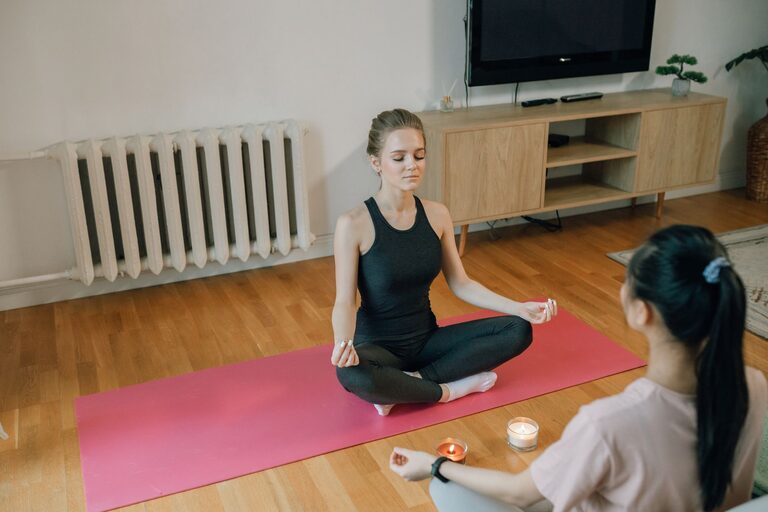
Taking mindful breathing breaks is an easy and effective way to calm your mind, reduce stress, and improve your overall well-being. If you’re new to mindfulness or just want simple steps to add breathing breaks into your daily routine, this guide is for you. Below, we’ll cover beginner-friendly tips that will help you practice mindful breathing with ease and confidence.
What Is Mindful Breathing?
Mindful breathing means paying close attention to your breath — noticing how it feels as you inhale and exhale — without trying to change it. It’s a form of meditation that can be done anywhere, anytime, even if you only have a minute or two.
By focusing on the breath, you help calm the nervous system and bring your attention back to the present moment, which is especially helpful when feeling overwhelmed or distracted.
Benefits of Mindful Breathing Breaks
– Reduces stress and anxiety: Deep, mindful breaths activate your body’s relaxation response.
– Improves focus and concentration: Taking breaks to breathe can refresh your mind and boost productivity.
– Enhances emotional regulation: Mindful breathing helps you respond calmly instead of reacting impulsively.
– Supports better sleep: Practicing mindful breathing before bed can promote relaxation and improve sleep quality.
– Easy and convenient: You don’t need any special equipment or setting.
Preparing for Your Mindful Breathing Break
Before you begin, find a quiet place if possible — but it’s okay if you can’t. Mindful breathing can be done sitting at your desk, standing in line, or even walking. Make sure you’re comfortable, whether sitting upright or lying down.
Wear loose clothing and relax your shoulders. Close your eyes if you feel comfortable doing so; if not, softly gaze downward.
Beginner Tips for Mindful Breathing Breaks
1. Start Small
If you’re new to mindful breathing, start with just 1 to 2 minutes. You can gradually increase the time as you feel more comfortable. Short breaks can be surprisingly effective.
2. Use a Simple Breathing Pattern
Try this easy pattern:
– Breathe in slowly through your nose for a count of 4
– Hold your breath gently for a count of 2
– Breathe out slowly through your mouth for a count of 6
Repeat this cycle several times, focusing entirely on the breath.
3. Focus on Physical Sensations
Pay attention to how your breath feels moving in and out of your nostrils or the rise and fall of your chest or belly. Noticing these sensations helps anchor your attention.
4. Gently Redirect Your Mind
Your mind may wander — this is normal! When you notice your thoughts drifting, gently bring your focus back to your breath without judgment or frustration.
5. Practice Consistently
Try to set aside specific times during the day for mindful breathing. For example, do a quick breathing break in the morning, during lunch, and before bedtime.
6. Use Guided Breathing Apps or Videos
If you prefer some guidance, there are many free apps and videos that offer short mindful breathing exercises designed for beginners.
7. Combine with Gentle Movement
Adding gentle stretches or yoga poses before or after your breathing can help you feel more relaxed and grounded.
Sample Mindful Breathing Break Routine
- **Find a comfortable seat** and close your eyes or soften your gaze.
- **Take a deep breath in through your nose** for 4 counts.
- **Hold your breath** for 2 counts.
- **Exhale slowly through your mouth** for 6 counts.
- **Repeat 5 times.**
- **Notice how you feel** afterward — relaxed, calmer, or more centered.
- **Take one last deep breath** before opening your eyes and returning to your day.
Tips for Maintaining the Habit
– Set reminders: Use your phone or calendar to remind you to take breathing breaks.
– Pair with daily activities: Breathe mindfully while waiting for your computer to load or during breaks between tasks.
– Create a relaxing environment: Light a candle or play soft music if that helps you relax during your breathing time.
– Celebrate progress: Notice improvements in your mood or stress levels to stay motivated.
When to Avoid Overthinking
Mindful breathing is simple — it does not require you to empty your mind or achieve a “perfect” state. The goal is to be kind to yourself and observe your breath without pressure.
If you feel uncomfortable or dizzy at any time, pause and return to your normal breathing.
Final Thoughts
Incorporating mindful breathing breaks into your day is a gentle yet powerful way to take care of your mental and emotional health. With a few minutes and some simple practice, you can cultivate calm and clarity anywhere you go.
Remember, the most important thing is to start and be consistent. Even brief moments of mindful breathing add up to make a meaningful difference in your wellness.
Give these beginner-friendly tips a try today, and enjoy the refreshing calm that mindful breathing can bring!
About the Author