
Birdwatching is a rewarding and relaxing hobby that allows you to connect with nature right in your own backyard. Whether you live in a city, suburb, or rural area, observing birds can provide hours of enjoyment and a deeper appreciation for wildlife. If you’re new to birdwatching, this guide will offer some simple, beginner-friendly tips to get you started.
Why Backyard Birdwatching?
Birdwatching is accessible, affordable, and educational. You don’t need special equipment or to travel far to see interesting birds. Your backyard can become a safe haven for a variety of feathered visitors. Watching birds can also be a mindful activity, helping you slow down and enjoy the simple beauty of the natural world.
Getting Started: What You’ll Need
Starting with the right basics makes birdwatching more enjoyable:
– Binoculars: A pair of binoculars will help you see birds up close, especially those that are shy or stay in trees. Look for ones that are lightweight and easy to use.
– Field Guide or App: A bird identification book or smartphone app can help you learn about different species. Many apps also allow you to log sightings and learn bird calls.
– Notebook and Pencil: Keeping a journal of birds you spot helps track your progress and remember interesting behaviors.
– A Comfortable Spot: Find a quiet place in your yard where you can sit and watch without disturbing the birds.
Attracting Birds to Your Backyard
To get more birds visiting, you can create an inviting environment:
1. Provide Food
Different birds prefer different types of food. Consider offering:
– Seeds: Black oil sunflower seeds are a favorite for many birds.
– Suet: High-energy suet cakes attract woodpeckers and nuthatches.
– Nectar: Hummingbird feeders filled with sugar water can attract these tiny visitors.
– Fruit: Some birds enjoy fresh or dried fruit like oranges and raisins.
Use feeders designed to suit specific bird types and keep feeders clean to prevent disease.
2. Offer Water
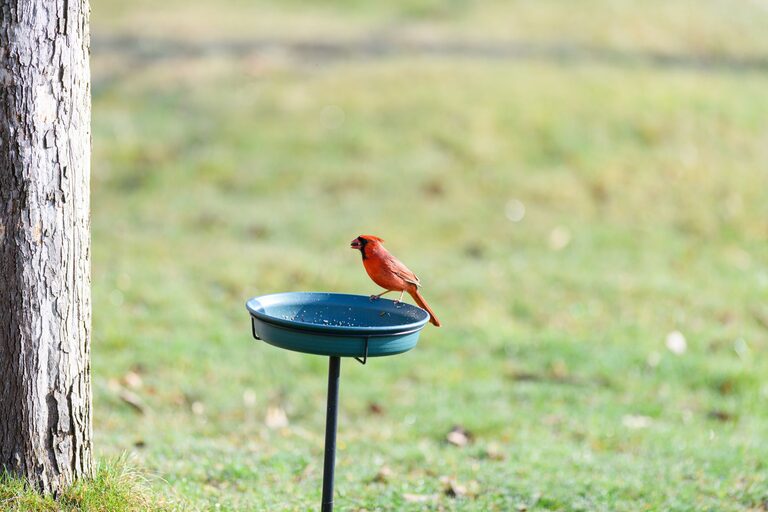
Birds need water for drinking and bathing. A birdbath or shallow dish filled with fresh water will attract birds, especially in dry weather. Make sure to change the water regularly to keep it clean.
3. Provide Shelter
Birds look for safe places to rest and hide from predators. Planting native shrubs, trees, and flowers can provide natural cover. You can also add birdhouses or nesting boxes suitable for local species.
4. Grow Native Plants
Native plants support the local ecosystem by providing natural food sources like berries and insects. They also create habitat that encourages birds to visit and stay longer.
Birdwatching Techniques for Beginners
Once your yard is ready, it’s time to observe and learn.
Be Patient and Quiet
Birds are sensitive to loud noises and sudden movements. Sitting quietly and observing from a distance increases your chances of seeing natural behavior.
Observe Details
Look for colors, markings, size, shape, and behavior to help identify birds. Watching how a bird moves, what it eats, and where it perches can offer clues.
Use Your Senses
Listening is as important as watching. Learn to recognize bird songs and calls—it’s often the first way you’ll know a bird is nearby.
Take Photos or Notes
If possible, photograph birds or write descriptions to help identify them later. This also helps you learn and share your observations with others.
Common Backyard Birds to Watch For
Depending on your region, some birds are more common in backyards. Here are a few that beginners often see:
– American Robin: Known for its orange breast and melodious song.
– Northern Cardinal: Bright red males and tan females often visit feeders.
– Blue Jay: Bold, noisy, and strikingly blue with white markings.
– Chickadee: Small and friendly with a distinctive “chick-a-dee-dee-dee” call.
– House Finch: Often seen in flocks, males have a red head and chest.
– Downy Woodpecker: Small woodpecker with black and white stripes on its head.
Keeping a Backyard Birdwatching Journal
Recording your sightings adds to the fun and helps you improve your identification skills. Include information like:
– Date and time
– Weather conditions
– Bird species seen
– Number of individuals
– Behavior observed (feeding, flying, singing)
Over time, you’ll notice patterns such as seasonal changes in the types of birds visiting your yard.
Tips for Ethical Birdwatching
Respect the birds and their habitat by following these guidelines:
– Avoid disturbing nests or young birds.
– Keep feeders clean and fresh to prevent disease.
– Don’t use harmful pesticides or chemicals in your garden.
– Observe birds from a distance without trying to touch or catch them.
Additional Resources
To learn more and connect with other bird enthusiasts, consider:
– Joining local birdwatching groups or clubs.
– Visiting nearby nature reserves or parks.
– Using online resources and apps such as eBird or Merlin Bird ID.
Final Thoughts
Backyard birdwatching is a wonderful hobby that anyone can enjoy. By attracting birds, practicing observation skills, and respecting wildlife, you create a peaceful outdoor retreat filled with fascinating visitors. So get your binoculars ready, set up a feeder, and start exploring the world of birds right at home!
About the Author