
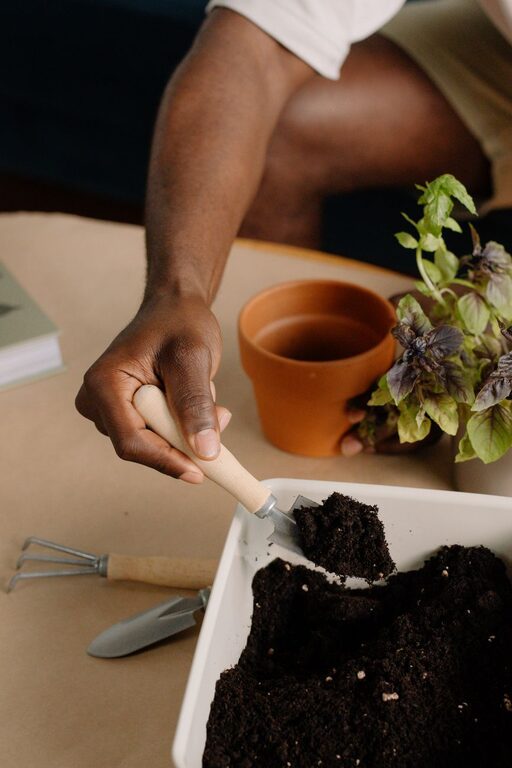
Growing herbs indoors is a rewarding way to add fresh flavors to your meals and greenery to your living space. Whether you have limited outdoor space or want herbs close at hand, starting a small herb garden indoors is both easy and enjoyable. This guide will walk you through everything you need to know to get started, from choosing the right herbs to caring for your plants.
Why Grow Herbs Indoors?
Indoor herb gardens offer several benefits:
– Convenience: Fresh herbs are available year-round, right in your kitchen.
– Space-saving: Perfect for apartments or homes without garden space.
– Aesthetics: Herbs add a touch of green and freshness indoors.
– Cost-effective: Growing your own herbs can save money compared to buying fresh herbs frequently.
Choosing the Right Herbs for Indoor Growing
Not all herbs thrive indoors, so selecting varieties that do well in pots and lower light conditions is key. Some easy herbs for beginners include:
– Basil: Loves sunlight and warmth; perfect for sunny windowsills.
– Parsley: Tolerates moderate light and grows quickly.
– Mint: Hardy and spreads easily; keep in its own pot to prevent overgrowth.
– Chives: Requires minimal care and adds mild onion flavor.
– Thyme: Thrives in bright light and well-drained soil.
– Cilantro: Prefers cooler temperatures and good light.
Consider your cooking preferences and choose herbs you’ll use regularly to make your garden practical and enjoyable.
What You’ll Need to Start
Before planting, gather the following supplies:
– Containers: Small pots or planters with drainage holes. You can use ceramic, plastic, or recycled containers.
– Potting mix: Use a lightweight, well-draining potting soil formulated for container plants.
– Seeds or starter plants: Beginners may find starter plants easier to grow initially.
– Labels: To keep track of what’s planted where.
– Watering can or spray bottle: For gentle, controlled watering.
Step-by-Step Guide to Planting Your Herb Garden
Step 1: Select Your Location
Find a spot that receives at least 4-6 hours of natural sunlight daily, such as a south-facing windowsill. If sunlight is limited, consider using a grow light to provide sufficient light.
Step 2: Prepare Your Containers
Fill your pots with potting mix, leaving about an inch of space at the top to avoid overflow when watering. Make sure drainage holes are not blocked.
Step 3: Plant Your Herbs
For seeds:
– Follow seed packet instructions for planting depth.
– Water gently after planting to moisten the soil.
For starter plants:
– Carefully remove from their nursery pots.
– Loosen roots gently if they are tightly packed.
– Plant at the same depth they were growing previously.
– Water thoroughly.
Step 4: Water Wisely
Herbs prefer moist, not soggy, soil. Water when the top inch of soil feels dry. Avoid overwatering, which can cause root rot.
Step 5: Provide Proper Light and Temperature
Keep your herb garden in a warm spot, ideally between 65°F and 75°F. Rotate your pots every few days to ensure even growth.
Caring for Your Indoor Herb Garden
Watering Tips
– Check soil moisture regularly.
– Use room-temperature water.
– Avoid getting water on the leaves to prevent diseases.
Feeding Your Herbs
Use a balanced, water-soluble fertilizer every 4-6 weeks during the growing season, but be careful not to over-fertilize, which can reduce flavor intensity.
Pruning and Harvesting
Regular pruning encourages bushier plants and prevents flowering that can reduce leaf production.
– Harvest herbs by cutting just above a leaf node.
– Don’t remove more than one-third of the plant at a time.
– Use fresh herbs as needed, or dry excess for later use.
Common Challenges and How to Overcome Them
Lack of Light
If herbs grow leggy or weak, they are likely not getting enough light. Supplement with LED grow lights or move them to a sunnier spot.
Pests
Indoor plants can attract pests like aphids or spider mites. Wipe leaves with a damp cloth or use natural pest control methods if needed.
Overwatering
Yellowing leaves or moldy soil are signs of overwatering. Allow soil to dry out slightly between waterings.
Tips for Expanding Your Herb Garden
Once your initial herbs are thriving, consider adding new varieties or using creative containers such as hanging pots or vertical gardens to save space.
Conclusion
Starting a small herb garden indoors is simple and highly satisfying. With a little planning and care, you can enjoy fresh, flavorful herbs anytime while brightening your home environment. Happy gardening!
About the Author