
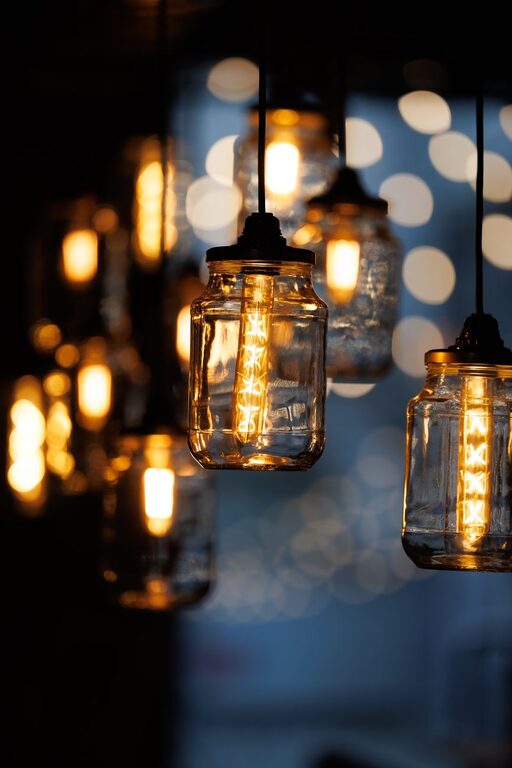
Lighting plays a vital role in shaping the comfort and ambiance of your home. Well-chosen lighting can make a room feel cozy, energize your mood, and even improve your productivity. On the other hand, poor lighting can cause eye strain, discomfort, and affect the overall atmosphere negatively. If you’re looking to enhance your living space with comfortable home lighting, this guide offers helpful tips and ideas to get started.
Understanding Comfortable Lighting
Comfortable lighting means more than just illuminating a room. It balances brightness, color temperature, and placement to suit specific activities and moods. Here are some key elements to consider:
– Brightness: Enough light for tasks without glare or harsh shadows.
– Color Temperature: The warmth or coolness of the light, measured in Kelvins (K).
– Placement: Positioning lights where they reduce eye strain and highlight the room’s best features.
– Adjustability: Ability to dim or change lighting as needed for different times or activities.
Choose the Right Color Temperature
Color temperature affects the mood and function of a space:
– Warm Light (2700K to 3000K): Creates a cozy, relaxing atmosphere. Ideal for living rooms, bedrooms, and dining areas.
– Neutral Light (3500K to 4100K): Balanced and versatile. Good for kitchens, bathrooms, and workspaces.
– Cool Light (5000K and above): Bright and energizing. Suited for task lighting in offices or garages but may feel harsh for everyday living spaces.
When choosing bulbs, look for those labeled “warm white” or “soft white” for comfort and “daylight” or “cool white” for work-focused areas.
Layer Your Lighting for Flexibility
The best lighting plans use a combination of three types of lighting:
1. Ambient Lighting
This is the main source of light in a room—usually ceiling fixtures or recessed lights—providing overall illumination.
2. Task Lighting
Focused lighting for specific activities like reading, cooking, or working. Examples include desk lamps, under-cabinet lights, and pendant lamps over a kitchen island.
3. Accent Lighting
Used to highlight artwork, plants, or architectural features. Accent lights add depth and interest to your room.
Layering these types ensures you can adjust lighting for comfort and function throughout the day.
Consider Light Fixtures and Their Styles
The fixture itself affects both the quality of light and the room’s decor. Here are a few options:
– Lampshades: Diffuse light softly, reducing glare.
– Frosted Bulbs: Provide a gentler light compared to clear bulbs.
– Pendant Lights: Great for focused task lighting and decorative appeal.
– Wall Sconces: Add ambient or accent lighting without using floor space.
Choosing fixtures that match your style while serving your lighting needs will improve the room’s comfort and look.
Use Dimmers for Control
Installing dimmer switches is a simple way to customize lighting levels. This flexibility allows you to lower brightness for relaxation or increase it for tasks without changing bulbs. Many modern LED bulbs work with dimmers, making it energy-efficient and convenient.
Mind the Natural Light
Maximizing natural light during the day reduces reliance on artificial lighting and creates a pleasant environment. Use light-colored curtains or blinds that can be easily adjusted to control glare and privacy while letting sunlight in.
Opt for Energy-Efficient Bulbs
Comfort doesn’t mean high energy bills. LED bulbs are a popular choice because they:
– Use less electricity compared to incandescent or halogen bulbs.
– Last longer.
– Are available in a variety of color temperatures and brightness levels.
They also produce less heat, which keeps rooms cooler and adds to comfort.
Evaluate the Room and Your Needs
Each room has different lighting requirements. Here are some guidelines to tailor your lighting:
Living Room
Use warm ambient lighting with layered task and accent lights. Consider floor lamps for reading and wall sconces to create mood.
Kitchen
Bright, neutral light is best for cooking and food preparation. Under-cabinet lighting helps illuminate countertops.
Bedroom
Soft, warm lighting encourages relaxation. Use bedside lamps and dimmers for control.
Bathroom
Bright, cool light near mirrors helps with grooming, but avoid harsh overhead fixtures that cast shadows.
Home Office
Bright, neutral or cool light enhances focus. Task lighting on your desk is essential.
Avoid Common Lighting Mistakes
– Overly Bright Rooms: Too much light can feel harsh and tiring.
– Unbalanced Lighting: Relying only on overhead lights or a single light source limits flexibility.
– Ignoring Glare: Position lights so they don’t shine directly into your eyes or onto screens.
– Mismatched Color Temperatures: Using different bulbs in the same room that vary widely in temperature can create an unpleasant or chaotic look.
Final Thoughts
Choosing comfortable home lighting is about balance and personalization. Assess how you use each space, experiment with layering different light sources, and be mindful of brightness and color temperature. With a bit of planning, your home will be beautifully lit, cozy, and perfectly suited to your lifestyle.
Remember, good lighting is a simple upgrade that can make a big difference in your daily comfort and enjoyment of your home.
About the Author